
What Is Sunya?
“Sunya” is a term from Sanskrit that means “zero” or “nothing.” In the context of mathematics, it is often associated with the concept of the number zero, which has deep philosophical and scientific implications.
In Sanatan Dharma, Sunya can be interpreted as “nothingness” or “void,” but it is also seen in relation to the idea of the absolute or infinite. Some interpretations associate Sunya with the concept of the Supreme Consciousness or Brahman, which is formless, beyond all attributes, and not bound by time or space. The idea of Sunya could be linked with the notion of “Purnam” (wholeness or completeness), where emptiness is not a lack but a state of perfect equilibrium or unmanifested potential from which everything arises. In some yogic philosophies, this void or emptiness is considered the source of all creation.
At the start of a cosmic cycle (Kalpa), there is a period of Pralaya (dissolution), where everything returns to an unmanifested state. This unmanifest state is sometimes described as Sunya—not as “nothingness” in a nihilistic sense, but as a state of pure potential, where the universe is dormant, yet it still contains the possibility of creation within it. It’s a bit like the “void” before anything material exists—a space of infinite possibilities, where form and matter have not yet emerged.
In some philosophical traditions, such as Buddhism, “sunya” can also refer to the idea of “emptiness” or the absence of inherent existence in all phenomena. It’s a way of understanding the impermanent, interconnected, and non-self nature of things.
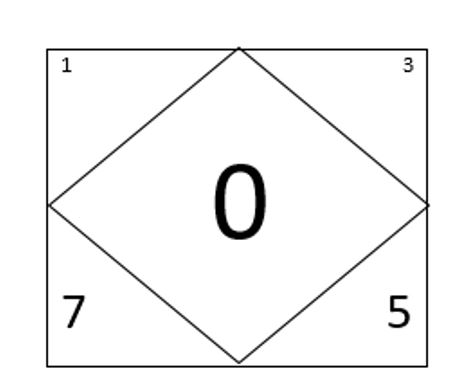
What is the meaning of 1?
In Sanatan Dharma, Para Shakti refers to the highest or supreme form of divine energy, often associated with the feminine principle of the universe. The term Para means “supreme” or “transcendental,” and Shakti represents the divine power or energy that is believed to be the source of all creation, sustenance, and transformation in the cosmos.
In some Hindu cosmologies, Para Shakti plays an integral role in the Trimurti (the threefold nature of the divine: Brahma, Vishnu, and Shiva). While Brahma is the creator, Vishnu is the preserver, and Shiva is the destroyer, it is through the energy of Para Shakti that these actions are carried out. She is the dynamic force that drives the processes of creation, sustenance, and dissolution.
What is the meaning of 3?
No 3 is symbol of Tri Dev, Tri Shakti and Tri Kal
The concept of the Tri Dev (Three Divine Forms) in Sanatan Dharma refers to the three principal deities that embody the cycle of creation, preservation, and dissolution of the universe. These three gods are part of the Trimurti (“three forms”) and represent different aspects of the cosmic functions. The Trimurti consists of:
- Brahma – The Creator
- Vishnu – The Preserver
- Shiva – The Destroyer (or Transformer)
Together, these three deities illustrate the continuous cycle of the universe, which consists of creation, sustenance, and destruction, only to be recreated once again. Each of these gods is responsible for a specific aspect of the cosmic order, and they are often depicted together in Hindu mythology and iconography.
1. Brahma (The Creator)
Brahma is the god of creation and is said to have created the world and all living beings within it. According to Hindu cosmology, Brahma creates the universe at the beginning of each cycle of time (Kalpa). Brahma is typically depicted with four faces, each representing one of the Vedas (the ancient scriptures), symbolizing the wisdom and knowledge that guides creation. Interestingly, Brahma is less commonly worshipped in comparison to Vishnu and Shiva, even though his role is fundamental.
2. Vishnu (The Preserver)
Vishnu is the god of preservation and protection, ensuring that the created world remains in balance and harmony. He is often associated with mercy and goodness. Vishnu is said to descend to Earth in various forms (known as Avatars) when there is a need to restore cosmic order, particularly when Dharma (righteousness) is under threat. His most famous incarnations include Rama and Krishna, who are revered for their heroic actions in epics like the Ramayana and the Mahabharata.
Vishnu is depicted with a variety of symbols, such as a conch (Shankha), a discus (Chakra), a mace (Gada), and a lotus. His role is not only to maintain cosmic order but also to protect and guide humanity toward spiritual liberation (Moksha).
3. Shiva (The Destroyer or Transformer)
Shiva is the god of destruction, but this is often interpreted as transformation rather than simply annihilation. He destroys the old and obsolete, making way for the new, ensuring the cycle of creation and destruction continues. Shiva is also associated with the aspect of yoga, meditation, and asceticism, and is revered as the patron of ascetics and spiritual seekers.
Shiva’s role as the destroyer is not negative; rather, it’s a necessary aspect of the cosmic balance. Destruction makes space for renewal, change, and rebirth. His famous symbols include the Trident (Trishula), the third eye, the Nandi (his bull vehicle), and the mountain (often Mount Kailash). His dance, known as the Nataraja, symbolizes the cosmic cycle of creation, preservation, and dissolution.
The Unity of the Tri Dev:
Though these three gods represent distinct roles, they are understood to be aspects of one ultimate reality. The concept of the Trimurti reflects the belief that creation, preservation, and destruction are all interconnected parts of a single, ongoing cosmic cycle. This is seen as an example of the unity within diversity that exists in Sanatan Dharma. The Trimurti can be interpreted as different expressions of the one underlying reality—Brahman—the infinite, formless, and all-encompassing essence of the universe.
There are also some interpretations where the Tri Dev are seen as complementary manifestations of the same divine power. In some traditions, all three can be considered as different aspects of Shiva or Vishnu, depending on philosophical viewpoints. This reveals the fluid and expansive nature of the divine in Sanatan Dharma.
The Feminine Aspect:
In many texts, the Tri Shakti (the Three Divine Energies) are also closely related to the Trimurti. This feminine aspect is often embodied by the goddesses Saraswati (wisdom, associated with Brahma), Lakshmi (prosperity, associated with Vishnu), and Parvati (power and grace, associated with Shiva). The balance between the divine masculine and feminine is essential in understanding the holistic nature of the universe.
The concept of Tri Kal (literally “three times”) in Sanatan Dharma refers to the three divisions of time that are considered fundamental to understanding the nature of the universe and existence. These three times are:
- Past (Prācīn or Purāṇa)
- Present (Pratyakṣa)
- Future (Bhaviṣya)
1. Past (Prācīn or Purāṇa)
The past is often seen as something that has already occurred, a realm of history and memory. In Sanatan Dharma, the past is not just a series of events but also a time for reflection and learning. It’s believed that actions (karma) performed in previous lives shape the present circumstances, and the wisdom of the past—embodied in texts like the Vedas, Upanishads, Puranas, and epics such as the Mahabharata and Ramayana—offers deep insights into the truth of existence.
The past also includes the cycles of creation and destruction of the universe, known as Kalpas, which are vast periods of time during which the universe goes through various phases of creation, preservation, and dissolution. The idea that time is cyclical rather than linear is essential in Sanatan Dharma and is reflected in the Tri Kal concept.
2. Present (Pratyakṣa)
The present is the time in which we currently exist and experience life. It is also the only time we have direct experience of—what we see, hear, and feel in the immediate moment. In Sanatan Dharma, the present is considered the most important time because it is the only time in which we can shape our future through our thoughts, actions (karma), and devotion (bhakti). The present is where we have the opportunity to practice self-realization, meditation, and other spiritual practices that can bring us closer to understanding the Atman (individual soul) and the Brahman (universal soul).
In many traditions within Sanatan Dharma, there’s a focus on living in the present moment and being mindful of one’s actions, because the present is where our karmic seeds are planted. In spiritual practices, particularly yoga and meditation, the emphasis on the present helps practitioners transcend the attachment to the past and anxiety about the future, bringing peace and clarity.
3. Future (Bhaviṣya)
The future is seen as a time that has not yet arrived, a realm of potential and possibility. In Sanatan Dharma, the future is influenced by the choices and actions (karma) made in the present. The law of karma teaches that every action has consequences, and these consequences may unfold in future lifetimes. The future is not predetermined but shaped by the seeds of action we plant now.
There is also a belief that time is cyclical, so the future may eventually mirror the past in repeating cycles of creation, preservation, and dissolution. This cycle is eternal and ever-turning, as described in the concept of Yugas (ages) within Hindu cosmology. The future, therefore, is intertwined with the natural rhythms of cosmic time, where we constantly move through periods of growth, decline, and rebirth.
The Tri Kal in Cosmic and Spiritual Context:
The concept of Tri Kal has deep philosophical implications in understanding both the external and internal universe:
- Cosmic Time: In the broader context of Hindu cosmology, Tri Kal is used to describe the vast stretches of time across the cycles of the Yugas and Kalpas. For instance, in the cycle of the Four Yugas (Satya Yuga, Treta Yuga, Dvapara Yuga, and Kali Yuga), the universe undergoes processes of creation, preservation, and destruction. These cycles repeat eternally, but at a cosmic scale that transcends human comprehension.
- Individual Time: On an individual level, Tri Kal is often seen as an opportunity for spiritual growth. The past is the realm of accumulated karma, the present is where one can shape the future through conscious action, and the future represents the fruit of past and present choices.
What is Symbol 5?
The Panch Tatva (also called Panch Bhoot) theory in Sanatan Dharma refers to the five basic elements that constitute the entire universe, both on the macrocosmic and microcosmic levels. These five elements are considered the fundamental building blocks of all matter and existence. They are believed to be present in every living being, as well as in all natural phenomena.
The Panch Tatva theory is rooted in the understanding that everything in the universe, from the material to the spiritual, is made up of these five core elements. The balance and interaction of these elements shape everything we experience, from the physical world to our inner consciousness.
The Five Elements (Panch Tatva):
Prithvi (Earth)
Prithvi represents the element of earth, symbolizing stability, structure, and solidity. It is the foundation of the physical world and everything that is tangible and material.
Characteristics: Weight, hardness, and permanence.
Associated with: The body and its physical attributes. It is also connected to the sense of smell in Ayurveda, as it governs the root of physical existence and our connection to the earth.
Symbolism: It represents the material, grounding aspect of existence.
Apas (Water)
Apas represents the element of water, symbolizing fluidity, adaptability, and the power of transformation. Water is seen as the medium for life, nurturing all beings and sustaining growth.
Characteristics: Fluidity, adaptability, and nourishment.
Associated with: The emotional aspect of our being and the sense of taste in Ayurveda. It connects to the flowing nature of life and emotions.
Symbolism: It represents the emotional and nurturing aspects of existence, helping to cleanse and purify.
Agni (Fire)
Agni is the element of fire, symbolizing energy, transformation, and activity. Fire is associated with warmth, light, and the ability to change things at a molecular level, such as through digestion or the transformation of energy.
Characteristics: Heat, transformation, and energy.
Associated with: The sense of sight in Ayurveda. Fire is also related to the inner energy of action, will, and power.
Symbolism: It represents transformation, the inner drive, and purification, and is often invoked in rituals and sacrifices (yajnas) for spiritual and material prosperity.
Vayu (Air)
Vayu represents the element of air, symbolizing movement, communication, and the vital breath of life. Air is the medium that facilitates the movement of energy and consciousness through the universe.
Characteristics: Movement, expansiveness, and lightness.
Associated with: The sense of touch and the breath (prana), which governs life force and vitality.
Symbolism: Air represents the invisible, expansive, and dynamic qualities of life, influencing both the material and subtle bodies.
Akasha (Ether or Space)
Akasha is the element of ether or space, symbolizing vastness, silence, and the medium in which all other elements exist and interact. Akasha is the most subtle element and is often associated with the space that allows for the existence of sound, light, and all energies.
Characteristics: Spaciousness, sound, and subtlety.
Associated with: The sense of hearing, as it is the medium through which sound travels.
Symbolism: It represents the essential space and emptiness that allows the universe to manifest, providing the foundation for the other elements to function.
The Interconnection of the Panch Tatva:
These five elements are deeply interrelated and form the basis of both the physical world and the metaphysical dimensions of existence. They are said to be in constant interaction, and their balance is crucial to maintaining harmony and health in the body and the universe. In Hindu philosophy, these elements are not seen as separate or independent; they work together in a dynamic and harmonious relationship.
Creation and Destruction: The interaction of the elements leads to the creation, maintenance, and dissolution of the world. For instance, Agni (fire) can transform Apas (water), while Vayu (air) can move and distribute Apas.
Body and Mind: In Ayurveda, these elements are directly correlated with the physical body and mind. Each element corresponds to specific bodily functions and qualities, and the balance of these elements within the body is considered essential for health and well-being.
Inner and Outer Worlds: On the metaphysical level, the Panch Tatva also represent the relationship between the inner and outer worlds. The elements manifest in both the physical realm (the external world) and in the inner world of consciousness, body, and mind. This duality is key to understanding the holistic vision of the universe in Sanatan Dharma.
What is no 7?
The Seven Chakras are a key concept in Indian spiritual traditions, especially yoga and Ayurveda. They are believed to be energy centers within the body that correspond to different physical, emotional, and spiritual aspects of life. Here’s an overview of the seven chakras, their significance, and attributes:
1. Root Chakra (Muladhara)
- Location: Base of the spine (tailbone)
- Color: Red
- Element: Earth
- Purpose: Stability, grounding, and survival
- Mantra: “Lam”
- Associated Aspects: Basic needs (food, shelter, safety), connection to the physical world
- Signs of Imbalance: Anxiety, insecurity, or feeling “ungrounded”
2. Sacral Chakra (Svadhisthana)
- Location: Lower abdomen, below the navel
- Color: Orange
- Element: Water
- Purpose: Creativity, emotions, and sexuality
- Mantra: “Vam”
- Associated Aspects: Pleasure, relationships, emotional well-being
- Signs of Imbalance: Emotional instability, lack of creativity, or sexual dysfunction
3. Solar Plexus Chakra (Manipura)
- Location: Upper abdomen (stomach area)
- Color: Yellow
- Element: Fire
- Purpose: Personal power, confidence, and transformation
- Mantra: “Ram”
- Associated Aspects: Willpower, self-esteem, and ambition
- Signs of Imbalance: Low self-esteem, lack of direction, or aggression
4. Heart Chakra (Anahata)
- Location: Center of the chest (heart area)
- Color: Green
- Element: Air
- Purpose: Love, compassion, and connection
- Mantra: “Yam”
- Associated Aspects: Forgiveness, empathy, unconditional love
- Signs of Imbalance: Grief, difficulty in relationships, or lack of compassion
5. Throat Chakra (Vishuddha)
- Location: Throat
- Color: Blue
- Element: Ether/Space
- Purpose: Communication, self-expression, and truth
- Mantra: “Ham”
- Associated Aspects: Honest expression, listening, and clarity
- Signs of Imbalance: Difficulty speaking up, lying, or fear of judgment
6. Third Eye Chakra (Ajna)
- Location: Forehead, between the eyebrows
- Color: Indigo
- Element: Light
- Purpose: Intuition, wisdom, and spiritual awareness
- Mantra: “Om”
- Associated Aspects: Insight, imagination, and clarity of thought
- Signs of Imbalance: Lack of intuition, confusion, or overthinking
7. Crown Chakra (Sahasrara)
- Location: Top of the head
- Color: Violet or White
- Element: Cosmic energy
- Purpose: Spiritual connection, enlightenment, and higher consciousness
- Mantra: Silent or “Aum”
- Associated Aspects: Connection to the divine, purpose, and unity
- Signs of Imbalance: Disconnection from spirituality, cynicism, or lack of purpose
Balancing the Chakras:
Each chakra can be balanced or activated through specific practices with karma, including:
- Meditation (focusing on the chakra’s mantra or color)
- Yoga postures targeting specific energy centers
- Breathwork (Pranayama)
- Crystals associated with each chakra
- Sound healing with frequencies or chants
Formation of Nav Graha –
In above number chart if we add 5, 3 and 1 then result is 9 and its origin of Nav Graha.
The Nav Grah (Nine Planets) are significant celestial bodies in Vedic astrology that influence human lives and destinies. Each grah (planet) has its unique characteristics, qualities, and influence on individuals, and remedies are often performed to mitigate their malefic effects or enhance their positive energies.
Here’s a detailed overview of the Nav Grah:
1. Surya (Sun)
- Significance: Represents soul, power, authority, and vitality.
- Day: Sunday
- Zodiac Sign: Leo
- Deity: Lord Surya
- Color: Red or Golden
- Metal: Gold or Copper
- Gemstone: Ruby
- Mantra: “Om Suryaya Namah”
- Impact: Provides energy, confidence, and leadership. Malefic effects can cause ego, health issues, and strained relationships.
- Remedies: Offer water to the Sun, chant Surya mantra, or donate wheat.
2. Chandra (Moon)
- Significance: Represents mind, emotions, and intuition.
- Day: Monday
- Zodiac Sign: Cancer
- Deity: Goddess Parvati
- Color: White
- Metal: Silver
- Gemstone: Pearl
- Mantra: “Om Chandraya Namah”
- Impact: Governs mental peace, nurturing, and creativity. Malefic effects may lead to mental instability or mood swings.
- Remedies: Wear white clothes, offer milk to Shiva, or donate rice.
3. Mangal (Mars)
- Significance: Represents courage, strength, and passion.
- Day: Tuesday
- Zodiac Signs: Aries, Scorpio
- Deity: Lord Kartikeya or Hanuman
- Color: Red
- Metal: Copper
- Gemstone: Red Coral
- Mantra: “Om Mangalaya Namah”
- Impact: Influences energy, discipline, and aggression. Malefic effects can cause disputes or accidents.
- Remedies: Worship Hanuman, donate red lentils, or chant Mangal mantra.
4. Budh (Mercury)
- Significance: Represents intellect, communication, and logic.
- Day: Wednesday
- Zodiac Signs: Gemini, Virgo
- Deity: Lord Vishnu
- Color: Green
- Metal: Bronze
- Gemstone: Emerald
- Mantra: “Om Budhaya Namah”
- Impact: Governs learning, business, and eloquence. Malefic effects can cause miscommunication and financial issues.
- Remedies: Donate green items, worship Lord Vishnu, or feed cows green grass.
5. Guru (Jupiter)
- Significance: Represents wisdom, knowledge, and spirituality.
- Day: Thursday
- Zodiac Signs: Sagittarius, Pisces
- Deity: Lord Brihaspati
- Color: Yellow
- Metal: Gold
- Gemstone: Yellow Sapphire
- Mantra: “Om Gurave Namah”
- Impact: Promotes learning, prosperity, and morality. Malefic effects may lead to arrogance or lack of direction.
- Remedies: Worship Lord Vishnu, donate yellow clothes, or chant Guru mantra.
6. Shukra (Venus)
- Significance: Represents beauty, luxury, and relationships.
- Day: Friday
- Zodiac Signs: Taurus, Libra
- Deity: Goddess Lakshmi
- Color: White or Pink
- Metal: Silver
- Gemstone: Diamond
- Mantra: “Om Shukraya Namah”
- Impact: Governs love, arts, and material comforts. Malefic effects can cause indulgence or relationship issues.
- Remedies: Worship Goddess Lakshmi, donate sweets, or chant Shukra mantra.
7. Shani (Saturn)
- Significance: Represents discipline, karma, and hardships.
- Day: Saturday
- Zodiac Signs: Capricorn, Aquarius
- Deity: Lord Shani (form of Shiva)
- Color: Black or Blue
- Metal: Iron
- Gemstone: Blue Sapphire
- Mantra: “Om Shanicharaya Namah”
- Impact: Teaches patience and perseverance but can cause delays or challenges when malefic.
- Remedies: Worship Lord Hanuman or Lord Shiva, donate black sesame, or chant Shani mantra.
8. Rahu (North Node of the Moon)
- Significance: Represents desires, materialism, and illusions.
- Day: Saturday or Monday
- Color: Smoke or Black
- Metal: Lead
- Gemstone: Hessonite (Gomed)
- Mantra: “Om Rahave Namah”
- Impact: Influences ambition and worldly pursuits. Malefic effects can lead to confusion or obsessive behavior.
- Remedies: Worship Goddess Durga, chant Rahu mantra, or donate black items.
9. Ketu (South Node of the Moon)
- Significance: Represents detachment, spirituality, and past karma.
- Day: Thursday or Saturday
- Color: Grey
- Metal: Lead
- Gemstone: Cat’s Eye (Lahsuniya)
- Mantra: “Om Ketave Namah”
- Impact: Promotes liberation and wisdom but can cause detachment or instability.
- Remedies: Worship Lord Ganesha, chant Ketu mantra, or donate blankets.
Formation of 12 Rasi –
In above no chart when we add 7 & 5 the rasies are coming in existence.
The 12 Rasi (Zodiac Signs) are the 12 divisions of the celestial belt in Vedic astrology, representing the journey of the Moon (Chandra) through the stars. Each Rasi corresponds to specific traits, elements, ruling planets, and influences on personality and destiny.
Here’s an overview of the 12 Rasi:
1. Mesha (Aries)
- Symbol: Ram
- Element: Fire
- Ruling Planet: Mars (Mangal)
- Key Traits: Energetic, courageous, independent, and impulsive.
- Timeframe (approx.): March 21 – April 19
- Lucky Colors: Red, Orange
- Strengths: Leadership, determination, confidence.
- Weaknesses: Impulsiveness, impatience, aggression.
2. Vrishabha (Taurus)
- Symbol: Bull
- Element: Earth
- Ruling Planet: Venus (Shukra)
- Key Traits: Dependable, practical, sensual, and stubborn.
- Timeframe (approx.): April 20 – May 20
- Lucky Colors: Green, Pink
- Strengths: Stability, loyalty, love for luxury.
- Weaknesses: Materialism, inflexibility, possessiveness.
3. Mithuna (Gemini)
- Symbol: Twins
- Element: Air
- Ruling Planet: Mercury (Budh)
- Key Traits: Communicative, curious, adaptable, and indecisive.
- Timeframe (approx.): May 21 – June 20
- Lucky Colors: Yellow, Light Green
- Strengths: Quick learning, versatility, humor.
- Weaknesses: Restlessness, inconsistency, superficiality.
4. Karka (Cancer)
- Symbol: Crab
- Element: Water
- Ruling Planet: Moon (Chandra)
- Key Traits: Emotional, nurturing, intuitive, and protective.
- Timeframe (approx.): June 21 – July 22
- Lucky Colors: White, Cream
- Strengths: Loyalty, compassion, strong intuition.
- Weaknesses: Mood swings, clinginess, over-sensitivity.
5. Simha (Leo)
- Symbol: Lion
- Element: Fire
- Ruling Planet: Sun (Surya)
- Key Traits: Confident, ambitious, generous, and dramatic.
- Timeframe (approx.): July 23 – August 22
- Lucky Colors: Gold, Orange
- Strengths: Leadership, creativity, charisma.
- Weaknesses: Arrogance, stubbornness, attention-seeking.
6. Kanya (Virgo)
- Symbol: Maiden
- Element: Earth
- Ruling Planet: Mercury (Budh)
- Key Traits: Analytical, meticulous, practical, and critical.
- Timeframe (approx.): August 23 – September 22
- Lucky Colors: Green, Brown
- Strengths: Organization, problem-solving, reliability.
- Weaknesses: Overthinking, perfectionism, criticism.
7. Tula (Libra)
- Symbol: Scales
- Element: Air
- Ruling Planet: Venus (Shukra)
- Key Traits: Diplomatic, balanced, charming, and indecisive.
- Timeframe (approx.): September 23 – October 22
- Lucky Colors: Blue, Pink
- Strengths: Harmony, fairness, social skills.
- Weaknesses: Indecisiveness, avoidance of conflict, dependency.
8. Vrishchika (Scorpio)
- Symbol: Scorpion
- Element: Water
- Ruling Planet: Mars (Mangal) and Ketu
- Key Traits: Intense, passionate, resourceful, and secretive.
- Timeframe (approx.): October 23 – November 21
- Lucky Colors: Red, Maroon
- Strengths: Focus, determination, loyalty.
- Weaknesses: Jealousy, possessiveness, distrust.
9. Dhanu (Sagittarius)
- Symbol: Archer
- Element: Fire
- Ruling Planet: Jupiter (Guru)
- Key Traits: Optimistic, adventurous, philosophical, and blunt.
- Timeframe (approx.): November 22 – December 21
- Lucky Colors: Yellow, Orange
- Strengths: Wisdom, humor, generosity.
- Weaknesses: Impulsiveness, tactlessness, overconfidence.
10. Makara (Capricorn)
- Symbol: Goat
- Element: Earth
- Ruling Planet: Saturn (Shani)
- Key Traits: Ambitious, disciplined, practical, and reserved.
- Timeframe (approx.): December 22 – January 19
- Lucky Colors: Black, Navy Blue
- Strengths: Hard work, responsibility, perseverance.
- Weaknesses: Rigidity, pessimism, workaholism.
11. Kumbha (Aquarius)
- Symbol: Water Bearer
- Element: Air
- Ruling Planet: Saturn (Shani) and Rahu
- Key Traits: Innovative, humanitarian, independent, and unpredictable.
- Timeframe (approx.): January 20 – February 18
- Lucky Colors: Blue, Purple
- Strengths: Visionary, originality, intellectual.
- Weaknesses: Detachment, rebelliousness, aloofness.
12. Meena (Pisces)
- Symbol: Fish
- Element: Water
- Ruling Planet: Jupiter (Guru)
- Key Traits: Compassionate, intuitive, artistic, and dreamy.
- Timeframe (approx.): February 19 – March 20
- Lucky Colors: Sea Green, Lavender
- Strengths: Empathy, imagination, spirituality.
- Weaknesses: Escapism, indecisiveness, over-sensitivity.
Understanding the 12 Houses in Vedic Astrology:
- 1st House (Ascendant/Lagna) – Self, personality, physical body, overall health.
- 2nd House – Wealth, family, speech, early childhood, accumulated assets.
- 3rd House – Siblings, communication, courage, short travel, skills.
- 4th House – Mother, home, property, emotions, inner peace, comfort.
- 5th House – Intelligence, creativity, children, romance, education.
- 6th House – Enemies, debts, diseases, service, challenges, daily work.
- 7th House – Partnerships, marriage, business, public image.
- 8th House – Secrets, transformations, sudden gains, longevity, occult.
- 9th House – Luck, higher learning, spirituality, long travel, philosophy.
- 10th House – Career, profession, public reputation, achievements.
- 11th House – Gains, aspirations, friendships, large networks, income.
- 12th House – Losses, expenses, foreign travels, spirituality, isolation.
Influence of Navagrahas in Each House:
1. Sun (Surya)
- Positive Houses: 1, 5, 9, 10, 11 (brings fame, authority, confidence)
- Challenging Houses: 6, 8, 12 (can cause ego issues, health problems)
- Mahadasha Effects: Leadership, power, self-realization, but also can bring arrogance if poorly placed.
2. Moon (Chandra)
- Positive Houses: 1, 4, 5, 7, 9, 10 (emotional stability, nurturing, intuition)
- Challenging Houses: 6, 8, 12 (emotional instability, anxiety, mood swings)
- Mahadasha Effects: Emotional growth, mental peace, maternal support, but can cause mood swings if weak.
3. Mars (Mangal)
- Positive Houses: 1, 3, 5, 6, 10, 11 (strength, courage, vitality, leadership)
- Challenging Houses: 7, 8, 12 (conflicts, accidents, aggression)
- Mahadasha Effects: Courage, quick actions, passion, but possible aggression if poorly placed.
4. Mercury (Budha)
- Positive Houses: 1, 2, 4, 5, 7, 10 (intellect, communication, business acumen)
- Challenging Houses: 6, 8, 12 (nervousness, financial instability, overthinking)
- Mahadasha Effects: Intelligence, business success, sharp mind, but possible nervous disorders if weak.
5. Jupiter (Guru)
- Positive Houses: 1, 2, 5, 7, 9, 11 (wisdom, spirituality, prosperity)
- Challenging Houses: 6, 8, 12 (overconfidence, financial troubles)
- Mahadasha Effects: Wealth, spiritual growth, marriage, but can bring excessive weight gain or pride if weak.
6. Venus (Shukra)
- Positive Houses: 1, 2, 4, 5, 7, 9, 10, 11 (luxury, romance, beauty, creativity)
- Challenging Houses: 6, 8, 12 (material excess, relationship issues)
- Mahadasha Effects: Romantic success, luxury, creativity, but possible addiction or relationship troubles if poorly placed.
7. Saturn (Shani)
- Positive Houses: 1, 2, 3, 6, 7, 10, 11 (discipline, patience, longevity, justice)
- Challenging Houses: 4, 8, 12 (delays, obstacles, isolation)
- Mahadasha Effects: Hard work, long life, spiritual growth, but can bring delays and restrictions if poorly placed.
8. Rahu (North Node)
- Positive Houses: 3, 6, 10, 11 (material gains, innovation, power)
- Challenging Houses: 1, 4, 5, 7, 8, 9, 12 (confusion, addictions, obsessions)
- Mahadasha Effects: Sudden success, technological gains, fame, but possible scandals or mental unrest if uncontrolled.
9. Ketu (South Node)
- Positive Houses: 3, 6, 9, 11, 12 (spiritual growth, detachment, intuition)
- Challenging Houses: 1, 4, 5, 7, 8, 10 (loss, isolation, confusion)
- Mahadasha Effects: Mystical experiences, spiritual insights, but possible losses, health issues if poorly placed.
Key Points About Mahadasha (Major Planetary Periods)
- Mahadasha is a period ruled by a particular planet, significantly shaping one’s life events.
- The duration of Mahadasha varies:
- Sun: 6 years
- Moon: 10 years
- Mars: 7 years
- Mercury: 17 years
- Jupiter: 16 years
- Venus: 20 years
- Saturn: 19 years
- Rahu: 18 years
- Ketu: 7 years
- The impact depends on the planet’s position, aspects, and house rulership in the birth chart.
1. Root Chakra (Muladhara)
- Location: Base of the spine (tailbone)
- Color: Red
- Element: Earth
- Purpose: Stability, grounding, and survival
- Mantra: “Lam”
- Associated Aspects: Basic needs (food, shelter, safety), connection to the physical world
- Signs of Imbalance: Anxiety, insecurity, or feeling “ungrounded”
2. Sacral Chakra (Svadhisthana)
- Location: Lower abdomen, below the navel
- Color: Orange
- Element: Water
- Purpose: Creativity, emotions, and sexuality
- Mantra: “Vam”
- Associated Aspects: Pleasure, relationships, emotional well-being
- Signs of Imbalance: Emotional instability, lack of creativity, or sexual dysfunction
3. Solar Plexus Chakra (Manipura)
- Location: Upper abdomen (stomach area)
- Color: Yellow
- Element: Fire
- Purpose: Personal power, confidence, and transformation
- Mantra: “Ram”
- Associated Aspects: Willpower, self-esteem, and ambition
- Signs of Imbalance: Low self-esteem, lack of direction, or aggression
4. Heart Chakra (Anahata)
- Location: Center of the chest (heart area)
- Color: Green
- Element: Air
- Purpose: Love, compassion, and connection
- Mantra: “Yam”
- Associated Aspects: Forgiveness, empathy, unconditional love
- Signs of Imbalance: Grief, difficulty in relationships, or lack of compassion
5. Throat Chakra (Vishuddha)
- Location: Throat
- Color: Blue
- Element: Ether/Space
- Purpose: Communication, self-expression, and truth
- Mantra: “Ham”
- Associated Aspects: Honest expression, listening, and clarity
- Signs of Imbalance: Difficulty speaking up, lying, or fear of judgment
6. Third Eye Chakra (Ajna)
- Location: Forehead, between the eyebrows
- Color: Indigo
- Element: Light
- Purpose: Intuition, wisdom, and spiritual awareness
- Mantra: “Om”
- Associated Aspects: Insight, imagination, and clarity of thought
- Signs of Imbalance: Lack of intuition, confusion, or overthinking
7. Crown Chakra (Sahasrara)
- Location: Top of the head
- Color: Violet or White
- Element: Cosmic energy
- Purpose: Spiritual connection, enlightenment, and higher consciousness
- Mantra: Silent or “Aum”
- Associated Aspects: Connection to the divine, purpose, and unity
- Signs of Imbalance: Disconnection from spirituality, cynicism, or lack of purpose
Balancing the Chakras:
Each chakra can be balanced or activated through specific practices with karma, including:
- Meditation (focusing on the chakra’s mantra or color)
- Yoga postures targeting specific energy centers
- Breathwork (Pranayama)
- Crystals associated with each chakra
- Sound healing with frequencies or chants
Formation of Nav Graha –
In above number chart if we add 5, 3 and 1 then result is 9 and its origin of Nav Graha.
The Nav Grah (Nine Planets) are significant celestial bodies in Vedic astrology that influence human lives and destinies. Each grah (planet) has its unique characteristics, qualities, and influence on individuals, and remedies are often performed to mitigate their malefic effects or enhance their positive energies.
Here’s a detailed overview of the Nav Grah:
1. Surya (Sun)
- Significance: Represents soul, power, authority, and vitality.
- Day: Sunday
- Zodiac Sign: Leo
- Deity: Lord Surya
- Color: Red or Golden
- Metal: Gold or Copper
- Gemstone: Ruby
- Mantra: “Om Suryaya Namah”
- Impact: Provides energy, confidence, and leadership. Malefic effects can cause ego, health issues, and strained relationships.
- Remedies: Offer water to the Sun, chant Surya mantra, or donate wheat.
2. Chandra (Moon)
- Significance: Represents mind, emotions, and intuition.
- Day: Monday
- Zodiac Sign: Cancer
- Deity: Goddess Parvati
- Color: White
- Metal: Silver
- Gemstone: Pearl
- Mantra: “Om Chandraya Namah”
- Impact: Governs mental peace, nurturing, and creativity. Malefic effects may lead to mental instability or mood swings.
- Remedies: Wear white clothes, offer milk to Shiva, or donate rice.
3. Mangal (Mars)
- Significance: Represents courage, strength, and passion.
- Day: Tuesday
- Zodiac Signs: Aries, Scorpio
- Deity: Lord Kartikeya or Hanuman
- Color: Red
- Metal: Copper
- Gemstone: Red Coral
- Mantra: “Om Mangalaya Namah”
- Impact: Influences energy, discipline, and aggression. Malefic effects can cause disputes or accidents.
- Remedies: Worship Hanuman, donate red lentils, or chant Mangal mantra.
4. Budh (Mercury)
- Significance: Represents intellect, communication, and logic.
- Day: Wednesday
- Zodiac Signs: Gemini, Virgo
- Deity: Lord Vishnu
- Color: Green
- Metal: Bronze
- Gemstone: Emerald
- Mantra: “Om Budhaya Namah”
- Impact: Governs learning, business, and eloquence. Malefic effects can cause miscommunication and financial issues.
- Remedies: Donate green items, worship Lord Vishnu, or feed cows green grass.
5. Guru (Jupiter)
- Significance: Represents wisdom, knowledge, and spirituality.
- Day: Thursday
- Zodiac Signs: Sagittarius, Pisces
- Deity: Lord Brihaspati
- Color: Yellow
- Metal: Gold
- Gemstone: Yellow Sapphire
- Mantra: “Om Gurave Namah”
- Impact: Promotes learning, prosperity, and morality. Malefic effects may lead to arrogance or lack of direction.
- Remedies: Worship Lord Vishnu, donate yellow clothes, or chant Guru mantra.
6. Shukra (Venus)
- Significance: Represents beauty, luxury, and relationships.
- Day: Friday
- Zodiac Signs: Taurus, Libra
- Deity: Goddess Lakshmi
- Color: White or Pink
- Metal: Silver
- Gemstone: Diamond
- Mantra: “Om Shukraya Namah”
- Impact: Governs love, arts, and material comforts. Malefic effects can cause indulgence or relationship issues.
- Remedies: Worship Goddess Lakshmi, donate sweets, or chant Shukra mantra.
7. Shani (Saturn)
- Significance: Represents discipline, karma, and hardships.
- Day: Saturday
- Zodiac Signs: Capricorn, Aquarius
- Deity: Lord Shani (form of Shiva)
- Color: Black or Blue
- Metal: Iron
- Gemstone: Blue Sapphire
- Mantra: “Om Shanicharaya Namah”
- Impact: Teaches patience and perseverance but can cause delays or challenges when malefic.
- Remedies: Worship Lord Hanuman or Lord Shiva, donate black sesame, or chant Shani mantra.
8. Rahu (North Node of the Moon)
- Significance: Represents desires, materialism, and illusions.
- Day: Saturday or Monday
- Color: Smoke or Black
- Metal: Lead
- Gemstone: Hessonite (Gomed)
- Mantra: “Om Rahave Namah”
- Impact: Influences ambition and worldly pursuits. Malefic effects can lead to confusion or obsessive behavior.
- Remedies: Worship Goddess Durga, chant Rahu mantra, or donate black items.
9. Ketu (South Node of the Moon)
- Significance: Represents detachment, spirituality, and past karma.
- Day: Thursday or Saturday
- Color: Grey
- Metal: Lead
- Gemstone: Cat’s Eye (Lahsuniya)
- Mantra: “Om Ketave Namah”
- Impact: Promotes liberation and wisdom but can cause detachment or instability.
- Remedies: Worship Lord Ganesha, chant Ketu mantra, or donate blankets.
Formation of 12 Rasi –
In above no chart when we add 7 & 5 the rasies are coming in existence.
The 12 Rasi (Zodiac Signs) are the 12 divisions of the celestial belt in Vedic astrology, representing the journey of the Moon (Chandra) through the stars. Each Rasi corresponds to specific traits, elements, ruling planets, and influences on personality and destiny.
Here’s an overview of the 12 Rasi:
1. Mesha (Aries)
- Symbol: Ram
- Element: Fire
- Ruling Planet: Mars (Mangal)
- Key Traits: Energetic, courageous, independent, and impulsive.
- Timeframe (approx.): March 21 – April 19
- Lucky Colors: Red, Orange
- Strengths: Leadership, determination, confidence.
- Weaknesses: Impulsiveness, impatience, aggression.
2. Vrishabha (Taurus)
- Symbol: Bull
- Element: Earth
- Ruling Planet: Venus (Shukra)
- Key Traits: Dependable, practical, sensual, and stubborn.
- Timeframe (approx.): April 20 – May 20
- Lucky Colors: Green, Pink
- Strengths: Stability, loyalty, love for luxury.
- Weaknesses: Materialism, inflexibility, possessiveness.
3. Mithuna (Gemini)
- Symbol: Twins
- Element: Air
- Ruling Planet: Mercury (Budh)
- Key Traits: Communicative, curious, adaptable, and indecisive.
- Timeframe (approx.): May 21 – June 20
- Lucky Colors: Yellow, Light Green
- Strengths: Quick learning, versatility, humor.
- Weaknesses: Restlessness, inconsistency, superficiality.
4. Karka (Cancer)
- Symbol: Crab
- Element: Water
- Ruling Planet: Moon (Chandra)
- Key Traits: Emotional, nurturing, intuitive, and protective.
- Timeframe (approx.): June 21 – July 22
- Lucky Colors: White, Cream
- Strengths: Loyalty, compassion, strong intuition.
- Weaknesses: Mood swings, clinginess, over-sensitivity.
5. Simha (Leo)
- Symbol: Lion
- Element: Fire
- Ruling Planet: Sun (Surya)
- Key Traits: Confident, ambitious, generous, and dramatic.
- Timeframe (approx.): July 23 – August 22
- Lucky Colors: Gold, Orange
- Strengths: Leadership, creativity, charisma.
- Weaknesses: Arrogance, stubbornness, attention-seeking.
6. Kanya (Virgo)
- Symbol: Maiden
- Element: Earth
- Ruling Planet: Mercury (Budh)
- Key Traits: Analytical, meticulous, practical, and critical.
- Timeframe (approx.): August 23 – September 22
- Lucky Colors: Green, Brown
- Strengths: Organization, problem-solving, reliability.
- Weaknesses: Overthinking, perfectionism, criticism.
7. Tula (Libra)
- Symbol: Scales
- Element: Air
- Ruling Planet: Venus (Shukra)
- Key Traits: Diplomatic, balanced, charming, and indecisive.
- Timeframe (approx.): September 23 – October 22
- Lucky Colors: Blue, Pink
- Strengths: Harmony, fairness, social skills.
- Weaknesses: Indecisiveness, avoidance of conflict, dependency.
8. Vrishchika (Scorpio)
- Symbol: Scorpion
- Element: Water
- Ruling Planet: Mars (Mangal) and Ketu
- Key Traits: Intense, passionate, resourceful, and secretive.
- Timeframe (approx.): October 23 – November 21
- Lucky Colors: Red, Maroon
- Strengths: Focus, determination, loyalty.
- Weaknesses: Jealousy, possessiveness, distrust.
9. Dhanu (Sagittarius)
- Symbol: Archer
- Element: Fire
- Ruling Planet: Jupiter (Guru)
- Key Traits: Optimistic, adventurous, philosophical, and blunt.
- Timeframe (approx.): November 22 – December 21
- Lucky Colors: Yellow, Orange
- Strengths: Wisdom, humor, generosity.
- Weaknesses: Impulsiveness, tactlessness, overconfidence.
10. Makara (Capricorn)
- Symbol: Goat
- Element: Earth
- Ruling Planet: Saturn (Shani)
- Key Traits: Ambitious, disciplined, practical, and reserved.
- Timeframe (approx.): December 22 – January 19
- Lucky Colors: Black, Navy Blue
- Strengths: Hard work, responsibility, perseverance.
- Weaknesses: Rigidity, pessimism, workaholism.
11. Kumbha (Aquarius)
- Symbol: Water Bearer
- Element: Air
- Ruling Planet: Saturn (Shani) and Rahu
- Key Traits: Innovative, humanitarian, independent, and unpredictable.
- Timeframe (approx.): January 20 – February 18
- Lucky Colors: Blue, Purple
- Strengths: Visionary, originality, intellectual.
- Weaknesses: Detachment, rebelliousness, aloofness.
12. Meena (Pisces)
- Symbol: Fish
- Element: Water
- Ruling Planet: Jupiter (Guru)
- Key Traits: Compassionate, intuitive, artistic, and dreamy.
- Timeframe (approx.): February 19 – March 20
- Lucky Colors: Sea Green, Lavender
- Strengths: Empathy, imagination, spirituality.
- Weaknesses: Escapism, indecisiveness, over-sensitivity.
Understanding the 12 Houses in Vedic Astrology:
- 1st House (Ascendant/Lagna) – Self, personality, physical body, overall health.
- 2nd House – Wealth, family, speech, early childhood, accumulated assets.
- 3rd House – Siblings, communication, courage, short travel, skills.
- 4th House – Mother, home, property, emotions, inner peace, comfort.
- 5th House – Intelligence, creativity, children, romance, education.
- 6th House – Enemies, debts, diseases, service, challenges, daily work.
- 7th House – Partnerships, marriage, business, public image.
- 8th House – Secrets, transformations, sudden gains, longevity, occult.
- 9th House – Luck, higher learning, spirituality, long travel, philosophy.
- 10th House – Career, profession, public reputation, achievements.
- 11th House – Gains, aspirations, friendships, large networks, income.
- 12th House – Losses, expenses, foreign travels, spirituality, isolation.
Influence of Navagrahas in Each House:
1. Sun (Surya)
- Positive Houses: 1, 5, 9, 10, 11 (brings fame, authority, confidence)
- Challenging Houses: 6, 8, 12 (can cause ego issues, health problems)
- Mahadasha Effects: Leadership, power, self-realization, but also can bring arrogance if poorly placed.
2. Moon (Chandra)
- Positive Houses: 1, 4, 5, 7, 9, 10 (emotional stability, nurturing, intuition)
- Challenging Houses: 6, 8, 12 (emotional instability, anxiety, mood swings)
- Mahadasha Effects: Emotional growth, mental peace, maternal support, but can cause mood swings if weak.
3. Mars (Mangal)
- Positive Houses: 1, 3, 5, 6, 10, 11 (strength, courage, vitality, leadership)
- Challenging Houses: 7, 8, 12 (conflicts, accidents, aggression)
- Mahadasha Effects: Courage, quick actions, passion, but possible aggression if poorly placed.
4. Mercury (Budha)
- Positive Houses: 1, 2, 4, 5, 7, 10 (intellect, communication, business acumen)
- Challenging Houses: 6, 8, 12 (nervousness, financial instability, overthinking)
- Mahadasha Effects: Intelligence, business success, sharp mind, but possible nervous disorders if weak.
5. Jupiter (Guru)
- Positive Houses: 1, 2, 5, 7, 9, 11 (wisdom, spirituality, prosperity)
- Challenging Houses: 6, 8, 12 (overconfidence, financial troubles)
- Mahadasha Effects: Wealth, spiritual growth, marriage, but can bring excessive weight gain or pride if weak.
6. Venus (Shukra)
- Positive Houses: 1, 2, 4, 5, 7, 9, 10, 11 (luxury, romance, beauty, creativity)
- Challenging Houses: 6, 8, 12 (material excess, relationship issues)
- Mahadasha Effects: Romantic success, luxury, creativity, but possible addiction or relationship troubles if poorly placed.
7. Saturn (Shani)
- Positive Houses: 1, 2, 3, 6, 7, 10, 11 (discipline, patience, longevity, justice)
- Challenging Houses: 4, 8, 12 (delays, obstacles, isolation)
- Mahadasha Effects: Hard work, long life, spiritual growth, but can bring delays and restrictions if poorly placed.
8. Rahu (North Node)
- Positive Houses: 3, 6, 10, 11 (material gains, innovation, power)
- Challenging Houses: 1, 4, 5, 7, 8, 9, 12 (confusion, addictions, obsessions)
- Mahadasha Effects: Sudden success, technological gains, fame, but possible scandals or mental unrest if uncontrolled.
9. Ketu (South Node)
- Positive Houses: 3, 6, 9, 11, 12 (spiritual growth, detachment, intuition)
- Challenging Houses: 1, 4, 5, 7, 8, 10 (loss, isolation, confusion)
- Mahadasha Effects: Mystical experiences, spiritual insights, but possible losses, health issues if poorly placed.
Key Points About Mahadasha (Major Planetary Periods)
- Mahadasha is a period ruled by a particular planet, significantly shaping one’s life events.
- The duration of Mahadasha varies:
- Sun: 6 years
- Moon: 10 years
- Mars: 7 years
- Mercury: 17 years
- Jupiter: 16 years
- Venus: 20 years
- Saturn: 19 years
- Rahu: 18 years
- Ketu: 7 years
- The impact depends on the planet’s position, aspects, and house rulership in the birth chart.
1. Root Chakra (Muladhara)
- Location: Base of the spine (tailbone)
- Color: Red
- Element: Earth
- Purpose: Stability, grounding, and survival
- Mantra: “Lam”
- Associated Aspects: Basic needs (food, shelter, safety), connection to the physical world
- Signs of Imbalance: Anxiety, insecurity, or feeling “ungrounded”
2. Sacral Chakra (Svadhisthana)
- Location: Lower abdomen, below the navel
- Color: Orange
- Element: Water
- Purpose: Creativity, emotions, and sexuality
- Mantra: “Vam”
- Associated Aspects: Pleasure, relationships, emotional well-being
- Signs of Imbalance: Emotional instability, lack of creativity, or sexual dysfunction
3. Solar Plexus Chakra (Manipura)
- Location: Upper abdomen (stomach area)
- Color: Yellow
- Element: Fire
- Purpose: Personal power, confidence, and transformation
- Mantra: “Ram”
- Associated Aspects: Willpower, self-esteem, and ambition
- Signs of Imbalance: Low self-esteem, lack of direction, or aggression
4. Heart Chakra (Anahata)
- Location: Center of the chest (heart area)
- Color: Green
- Element: Air
- Purpose: Love, compassion, and connection
- Mantra: “Yam”
- Associated Aspects: Forgiveness, empathy, unconditional love
- Signs of Imbalance: Grief, difficulty in relationships, or lack of compassion
5. Throat Chakra (Vishuddha)
- Location: Throat
- Color: Blue
- Element: Ether/Space
- Purpose: Communication, self-expression, and truth
- Mantra: “Ham”
- Associated Aspects: Honest expression, listening, and clarity
- Signs of Imbalance: Difficulty speaking up, lying, or fear of judgment
6. Third Eye Chakra (Ajna)
- Location: Forehead, between the eyebrows
- Color: Indigo
- Element: Light
- Purpose: Intuition, wisdom, and spiritual awareness
- Mantra: “Om”
- Associated Aspects: Insight, imagination, and clarity of thought
- Signs of Imbalance: Lack of intuition, confusion, or overthinking
7. Crown Chakra (Sahasrara)
- Location: Top of the head
- Color: Violet or White
- Element: Cosmic energy
- Purpose: Spiritual connection, enlightenment, and higher consciousness
- Mantra: Silent or “Aum”
- Associated Aspects: Connection to the divine, purpose, and unity
- Signs of Imbalance: Disconnection from spirituality, cynicism, or lack of purpose
Balancing the Chakras:
Each chakra can be balanced or activated through specific practices with karma, including:
- Meditation (focusing on the chakra’s mantra or color)
- Yoga postures targeting specific energy centers
- Breathwork (Pranayama)
- Crystals associated with each chakra
- Sound healing with frequencies or chants
Formation of Nav Graha –
In above number chart if we add 5, 3 and 1 then result is 9 and its origin of Nav Graha.
The Nav Grah (Nine Planets) are significant celestial bodies in Vedic astrology that influence human lives and destinies. Each grah (planet) has its unique characteristics, qualities, and influence on individuals, and remedies are often performed to mitigate their malefic effects or enhance their positive energies.
Here’s a detailed overview of the Nav Grah:
1. Surya (Sun)
- Significance: Represents soul, power, authority, and vitality.
- Day: Sunday
- Zodiac Sign: Leo
- Deity: Lord Surya
- Color: Red or Golden
- Metal: Gold or Copper
- Gemstone: Ruby
- Mantra: “Om Suryaya Namah”
- Impact: Provides energy, confidence, and leadership. Malefic effects can cause ego, health issues, and strained relationships.
- Remedies: Offer water to the Sun, chant Surya mantra, or donate wheat.
2. Chandra (Moon)
- Significance: Represents mind, emotions, and intuition.
- Day: Monday
- Zodiac Sign: Cancer
- Deity: Goddess Parvati
- Color: White
- Metal: Silver
- Gemstone: Pearl
- Mantra: “Om Chandraya Namah”
- Impact: Governs mental peace, nurturing, and creativity. Malefic effects may lead to mental instability or mood swings.
- Remedies: Wear white clothes, offer milk to Shiva, or donate rice.
3. Mangal (Mars)
- Significance: Represents courage, strength, and passion.
- Day: Tuesday
- Zodiac Signs: Aries, Scorpio
- Deity: Lord Kartikeya or Hanuman
- Color: Red
- Metal: Copper
- Gemstone: Red Coral
- Mantra: “Om Mangalaya Namah”
- Impact: Influences energy, discipline, and aggression. Malefic effects can cause disputes or accidents.
- Remedies: Worship Hanuman, donate red lentils, or chant Mangal mantra.
4. Budh (Mercury)
- Significance: Represents intellect, communication, and logic.
- Day: Wednesday
- Zodiac Signs: Gemini, Virgo
- Deity: Lord Vishnu
- Color: Green
- Metal: Bronze
- Gemstone: Emerald
- Mantra: “Om Budhaya Namah”
- Impact: Governs learning, business, and eloquence. Malefic effects can cause miscommunication and financial issues.
- Remedies: Donate green items, worship Lord Vishnu, or feed cows green grass.
5. Guru (Jupiter)
- Significance: Represents wisdom, knowledge, and spirituality.
- Day: Thursday
- Zodiac Signs: Sagittarius, Pisces
- Deity: Lord Brihaspati
- Color: Yellow
- Metal: Gold
- Gemstone: Yellow Sapphire
- Mantra: “Om Gurave Namah”
- Impact: Promotes learning, prosperity, and morality. Malefic effects may lead to arrogance or lack of direction.
- Remedies: Worship Lord Vishnu, donate yellow clothes, or chant Guru mantra.
6. Shukra (Venus)
- Significance: Represents beauty, luxury, and relationships.
- Day: Friday
- Zodiac Signs: Taurus, Libra
- Deity: Goddess Lakshmi
- Color: White or Pink
- Metal: Silver
- Gemstone: Diamond
- Mantra: “Om Shukraya Namah”
- Impact: Governs love, arts, and material comforts. Malefic effects can cause indulgence or relationship issues.
- Remedies: Worship Goddess Lakshmi, donate sweets, or chant Shukra mantra.
7. Shani (Saturn)
- Significance: Represents discipline, karma, and hardships.
- Day: Saturday
- Zodiac Signs: Capricorn, Aquarius
- Deity: Lord Shani (form of Shiva)
- Color: Black or Blue
- Metal: Iron
- Gemstone: Blue Sapphire
- Mantra: “Om Shanicharaya Namah”
- Impact: Teaches patience and perseverance but can cause delays or challenges when malefic.
- Remedies: Worship Lord Hanuman or Lord Shiva, donate black sesame, or chant Shani mantra.
8. Rahu (North Node of the Moon)
- Significance: Represents desires, materialism, and illusions.
- Day: Saturday or Monday
- Color: Smoke or Black
- Metal: Lead
- Gemstone: Hessonite (Gomed)
- Mantra: “Om Rahave Namah”
- Impact: Influences ambition and worldly pursuits. Malefic effects can lead to confusion or obsessive behavior.
- Remedies: Worship Goddess Durga, chant Rahu mantra, or donate black items.
9. Ketu (South Node of the Moon)
- Significance: Represents detachment, spirituality, and past karma.
- Day: Thursday or Saturday
- Color: Grey
- Metal: Lead
- Gemstone: Cat’s Eye (Lahsuniya)
- Mantra: “Om Ketave Namah”
- Impact: Promotes liberation and wisdom but can cause detachment or instability.
- Remedies: Worship Lord Ganesha, chant Ketu mantra, or donate blankets.
Formation of 12 Rasi –
In above no chart when we add 7 & 5 the rasies are coming in existence.
The 12 Rasi (Zodiac Signs) are the 12 divisions of the celestial belt in Vedic astrology, representing the journey of the Moon (Chandra) through the stars. Each Rasi corresponds to specific traits, elements, ruling planets, and influences on personality and destiny.
Here’s an overview of the 12 Rasi:
1. Mesha (Aries)
- Symbol: Ram
- Element: Fire
- Ruling Planet: Mars (Mangal)
- Key Traits: Energetic, courageous, independent, and impulsive.
- Timeframe (approx.): March 21 – April 19
- Lucky Colors: Red, Orange
- Strengths: Leadership, determination, confidence.
- Weaknesses: Impulsiveness, impatience, aggression.
2. Vrishabha (Taurus)
- Symbol: Bull
- Element: Earth
- Ruling Planet: Venus (Shukra)
- Key Traits: Dependable, practical, sensual, and stubborn.
- Timeframe (approx.): April 20 – May 20
- Lucky Colors: Green, Pink
- Strengths: Stability, loyalty, love for luxury.
- Weaknesses: Materialism, inflexibility, possessiveness.
3. Mithuna (Gemini)
- Symbol: Twins
- Element: Air
- Ruling Planet: Mercury (Budh)
- Key Traits: Communicative, curious, adaptable, and indecisive.
- Timeframe (approx.): May 21 – June 20
- Lucky Colors: Yellow, Light Green
- Strengths: Quick learning, versatility, humor.
- Weaknesses: Restlessness, inconsistency, superficiality.
4. Karka (Cancer)
- Symbol: Crab
- Element: Water
- Ruling Planet: Moon (Chandra)
- Key Traits: Emotional, nurturing, intuitive, and protective.
- Timeframe (approx.): June 21 – July 22
- Lucky Colors: White, Cream
- Strengths: Loyalty, compassion, strong intuition.
- Weaknesses: Mood swings, clinginess, over-sensitivity.
5. Simha (Leo)
- Symbol: Lion
- Element: Fire
- Ruling Planet: Sun (Surya)
- Key Traits: Confident, ambitious, generous, and dramatic.
- Timeframe (approx.): July 23 – August 22
- Lucky Colors: Gold, Orange
- Strengths: Leadership, creativity, charisma.
- Weaknesses: Arrogance, stubbornness, attention-seeking.
6. Kanya (Virgo)
- Symbol: Maiden
- Element: Earth
- Ruling Planet: Mercury (Budh)
- Key Traits: Analytical, meticulous, practical, and critical.
- Timeframe (approx.): August 23 – September 22
- Lucky Colors: Green, Brown
- Strengths: Organization, problem-solving, reliability.
- Weaknesses: Overthinking, perfectionism, criticism.
7. Tula (Libra)
- Symbol: Scales
- Element: Air
- Ruling Planet: Venus (Shukra)
- Key Traits: Diplomatic, balanced, charming, and indecisive.
- Timeframe (approx.): September 23 – October 22
- Lucky Colors: Blue, Pink
- Strengths: Harmony, fairness, social skills.
- Weaknesses: Indecisiveness, avoidance of conflict, dependency.
8. Vrishchika (Scorpio)
- Symbol: Scorpion
- Element: Water
- Ruling Planet: Mars (Mangal) and Ketu
- Key Traits: Intense, passionate, resourceful, and secretive.
- Timeframe (approx.): October 23 – November 21
- Lucky Colors: Red, Maroon
- Strengths: Focus, determination, loyalty.
- Weaknesses: Jealousy, possessiveness, distrust.
9. Dhanu (Sagittarius)
- Symbol: Archer
- Element: Fire
- Ruling Planet: Jupiter (Guru)
- Key Traits: Optimistic, adventurous, philosophical, and blunt.
- Timeframe (approx.): November 22 – December 21
- Lucky Colors: Yellow, Orange
- Strengths: Wisdom, humor, generosity.
- Weaknesses: Impulsiveness, tactlessness, overconfidence.
10. Makara (Capricorn)
- Symbol: Goat
- Element: Earth
- Ruling Planet: Saturn (Shani)
- Key Traits: Ambitious, disciplined, practical, and reserved.
- Timeframe (approx.): December 22 – January 19
- Lucky Colors: Black, Navy Blue
- Strengths: Hard work, responsibility, perseverance.
- Weaknesses: Rigidity, pessimism, workaholism.
11. Kumbha (Aquarius)
- Symbol: Water Bearer
- Element: Air
- Ruling Planet: Saturn (Shani) and Rahu
- Key Traits: Innovative, humanitarian, independent, and unpredictable.
- Timeframe (approx.): January 20 – February 18
- Lucky Colors: Blue, Purple
- Strengths: Visionary, originality, intellectual.
- Weaknesses: Detachment, rebelliousness, aloofness.
12. Meena (Pisces)
- Symbol: Fish
- Element: Water
- Ruling Planet: Jupiter (Guru)
- Key Traits: Compassionate, intuitive, artistic, and dreamy.
- Timeframe (approx.): February 19 – March 20
- Lucky Colors: Sea Green, Lavender
- Strengths: Empathy, imagination, spirituality.
- Weaknesses: Escapism, indecisiveness, over-sensitivity.
Understanding the 12 Houses in Vedic Astrology:
- 1st House (Ascendant/Lagna) – Self, personality, physical body, overall health.
- 2nd House – Wealth, family, speech, early childhood, accumulated assets.
- 3rd House – Siblings, communication, courage, short travel, skills.
- 4th House – Mother, home, property, emotions, inner peace, comfort.
- 5th House – Intelligence, creativity, children, romance, education.
- 6th House – Enemies, debts, diseases, service, challenges, daily work.
- 7th House – Partnerships, marriage, business, public image.
- 8th House – Secrets, transformations, sudden gains, longevity, occult.
- 9th House – Luck, higher learning, spirituality, long travel, philosophy.
- 10th House – Career, profession, public reputation, achievements.
- 11th House – Gains, aspirations, friendships, large networks, income.
- 12th House – Losses, expenses, foreign travels, spirituality, isolation.
Influence of Navagrahas in Each House:
1. Sun (Surya)
- Positive Houses: 1, 5, 9, 10, 11 (brings fame, authority, confidence)
- Challenging Houses: 6, 8, 12 (can cause ego issues, health problems)
- Mahadasha Effects: Leadership, power, self-realization, but also can bring arrogance if poorly placed.
2. Moon (Chandra)
- Positive Houses: 1, 4, 5, 7, 9, 10 (emotional stability, nurturing, intuition)
- Challenging Houses: 6, 8, 12 (emotional instability, anxiety, mood swings)
- Mahadasha Effects: Emotional growth, mental peace, maternal support, but can cause mood swings if weak.
3. Mars (Mangal)
- Positive Houses: 1, 3, 5, 6, 10, 11 (strength, courage, vitality, leadership)
- Challenging Houses: 7, 8, 12 (conflicts, accidents, aggression)
- Mahadasha Effects: Courage, quick actions, passion, but possible aggression if poorly placed.
4. Mercury (Budha)
- Positive Houses: 1, 2, 4, 5, 7, 10 (intellect, communication, business acumen)
- Challenging Houses: 6, 8, 12 (nervousness, financial instability, overthinking)
- Mahadasha Effects: Intelligence, business success, sharp mind, but possible nervous disorders if weak.
5. Jupiter (Guru)
- Positive Houses: 1, 2, 5, 7, 9, 11 (wisdom, spirituality, prosperity)
- Challenging Houses: 6, 8, 12 (overconfidence, financial troubles)
- Mahadasha Effects: Wealth, spiritual growth, marriage, but can bring excessive weight gain or pride if weak.
6. Venus (Shukra)
- Positive Houses: 1, 2, 4, 5, 7, 9, 10, 11 (luxury, romance, beauty, creativity)
- Challenging Houses: 6, 8, 12 (material excess, relationship issues)
- Mahadasha Effects: Romantic success, luxury, creativity, but possible addiction or relationship troubles if poorly placed.
7. Saturn (Shani)
- Positive Houses: 1, 2, 3, 6, 7, 10, 11 (discipline, patience, longevity, justice)
- Challenging Houses: 4, 8, 12 (delays, obstacles, isolation)
- Mahadasha Effects: Hard work, long life, spiritual growth, but can bring delays and restrictions if poorly placed.
8. Rahu (North Node)
- Positive Houses: 3, 6, 10, 11 (material gains, innovation, power)
- Challenging Houses: 1, 4, 5, 7, 8, 9, 12 (confusion, addictions, obsessions)
- Mahadasha Effects: Sudden success, technological gains, fame, but possible scandals or mental unrest if uncontrolled.
9. Ketu (South Node)
- Positive Houses: 3, 6, 9, 11, 12 (spiritual growth, detachment, intuition)
- Challenging Houses: 1, 4, 5, 7, 8, 10 (loss, isolation, confusion)
- Mahadasha Effects: Mystical experiences, spiritual insights, but possible losses, health issues if poorly placed.
Key Points About Mahadasha (Major Planetary Periods)
1. Root Chakra (Muladhara)
- Location: Base of the spine (tailbone)
- Color: Red
- Element: Earth
- Purpose: Stability, grounding, and survival
- Mantra: “Lam”
- Associated Aspects: Basic needs (food, shelter, safety), connection to the physical world
- Signs of Imbalance: Anxiety, insecurity, or feeling “ungrounded”
2. Sacral Chakra (Svadhisthana)
- Location: Lower abdomen, below the navel
- Color: Orange
- Element: Water
- Purpose: Creativity, emotions, and sexuality
- Mantra: “Vam”
- Associated Aspects: Pleasure, relationships, emotional well-being
- Signs of Imbalance: Emotional instability, lack of creativity, or sexual dysfunction
3. Solar Plexus Chakra (Manipura)
- Location: Upper abdomen (stomach area)
- Color: Yellow
- Element: Fire
- Purpose: Personal power, confidence, and transformation
- Mantra: “Ram”
- Associated Aspects: Willpower, self-esteem, and ambition
- Signs of Imbalance: Low self-esteem, lack of direction, or aggression
4. Heart Chakra (Anahata)
- Location: Center of the chest (heart area)
- Color: Green
- Element: Air
- Purpose: Love, compassion, and connection
- Mantra: “Yam”
- Associated Aspects: Forgiveness, empathy, unconditional love
- Signs of Imbalance: Grief, difficulty in relationships, or lack of compassion
5. Throat Chakra (Vishuddha)
- Location: Throat
- Color: Blue
- Element: Ether/Space
- Purpose: Communication, self-expression, and truth
- Mantra: “Ham”
- Associated Aspects: Honest expression, listening, and clarity
- Signs of Imbalance: Difficulty speaking up, lying, or fear of judgment
6. Third Eye Chakra (Ajna)
- Location: Forehead, between the eyebrows
- Color: Indigo
- Element: Light
- Purpose: Intuition, wisdom, and spiritual awareness
- Mantra: “Om”
- Associated Aspects: Insight, imagination, and clarity of thought
- Signs of Imbalance: Lack of intuition, confusion, or overthinking
7. Crown Chakra (Sahasrara)
- Location: Top of the head
- Color: Violet or White
- Element: Cosmic energy
- Purpose: Spiritual connection, enlightenment, and higher consciousness
- Mantra: Silent or “Aum”
- Associated Aspects: Connection to the divine, purpose, and unity
- Signs of Imbalance: Disconnection from spirituality, cynicism, or lack of purpose
Balancing the Chakras:
Each chakra can be balanced or activated through specific practices with karma, including:
- Meditation (focusing on the chakra’s mantra or color)
- Yoga postures targeting specific energy centers
- Breathwork (Pranayama)
- Crystals associated with each chakra
- Sound healing with frequencies or chants
Formation of Nav Graha –
In above number chart if we add 5, 3 and 1 then result is 9 and its origin of Nav Graha.
The Nav Grah (Nine Planets) are significant celestial bodies in Vedic astrology that influence human lives and destinies. Each grah (planet) has its unique characteristics, qualities, and influence on individuals, and remedies are often performed to mitigate their malefic effects or enhance their positive energies.
Here’s a detailed overview of the Nav Grah:
1. Surya (Sun)
- Significance: Represents soul, power, authority, and vitality.
- Day: Sunday
- Zodiac Sign: Leo
- Deity: Lord Surya
- Color: Red or Golden
- Metal: Gold or Copper
- Gemstone: Ruby
- Mantra: “Om Suryaya Namah”
- Impact: Provides energy, confidence, and leadership. Malefic effects can cause ego, health issues, and strained relationships.
- Remedies: Offer water to the Sun, chant Surya mantra, or donate wheat.
2. Chandra (Moon)
- Significance: Represents mind, emotions, and intuition.
- Day: Monday
- Zodiac Sign: Cancer
- Deity: Goddess Parvati
- Color: White
- Metal: Silver
- Gemstone: Pearl
- Mantra: “Om Chandraya Namah”
- Impact: Governs mental peace, nurturing, and creativity. Malefic effects may lead to mental instability or mood swings.
- Remedies: Wear white clothes, offer milk to Shiva, or donate rice.
3. Mangal (Mars)
- Significance: Represents courage, strength, and passion.
- Day: Tuesday
- Zodiac Signs: Aries, Scorpio
- Deity: Lord Kartikeya or Hanuman
- Color: Red
- Metal: Copper
- Gemstone: Red Coral
- Mantra: “Om Mangalaya Namah”
- Impact: Influences energy, discipline, and aggression. Malefic effects can cause disputes or accidents.
- Remedies: Worship Hanuman, donate red lentils, or chant Mangal mantra.
4. Budh (Mercury)
- Significance: Represents intellect, communication, and logic.
- Day: Wednesday
- Zodiac Signs: Gemini, Virgo
- Deity: Lord Vishnu
- Color: Green
- Metal: Bronze
- Gemstone: Emerald
- Mantra: “Om Budhaya Namah”
- Impact: Governs learning, business, and eloquence. Malefic effects can cause miscommunication and financial issues.
- Remedies: Donate green items, worship Lord Vishnu, or feed cows green grass.
5. Guru (Jupiter)
- Significance: Represents wisdom, knowledge, and spirituality.
- Day: Thursday
- Zodiac Signs: Sagittarius, Pisces
- Deity: Lord Brihaspati
- Color: Yellow
- Metal: Gold
- Gemstone: Yellow Sapphire
- Mantra: “Om Gurave Namah”
- Impact: Promotes learning, prosperity, and morality. Malefic effects may lead to arrogance or lack of direction.
- Remedies: Worship Lord Vishnu, donate yellow clothes, or chant Guru mantra.
6. Shukra (Venus)
- Significance: Represents beauty, luxury, and relationships.
- Day: Friday
- Zodiac Signs: Taurus, Libra
- Deity: Goddess Lakshmi
- Color: White or Pink
- Metal: Silver
- Gemstone: Diamond
- Mantra: “Om Shukraya Namah”
- Impact: Governs love, arts, and material comforts. Malefic effects can cause indulgence or relationship issues.
- Remedies: Worship Goddess Lakshmi, donate sweets, or chant Shukra mantra.
7. Shani (Saturn)
- Significance: Represents discipline, karma, and hardships.
- Day: Saturday
- Zodiac Signs: Capricorn, Aquarius
- Deity: Lord Shani (form of Shiva)
- Color: Black or Blue
- Metal: Iron
- Gemstone: Blue Sapphire
- Mantra: “Om Shanicharaya Namah”
- Impact: Teaches patience and perseverance but can cause delays or challenges when malefic.
- Remedies: Worship Lord Hanuman or Lord Shiva, donate black sesame, or chant Shani mantra.
8. Rahu (North Node of the Moon)
- Significance: Represents desires, materialism, and illusions.
- Day: Saturday or Monday
- Color: Smoke or Black
- Metal: Lead
- Gemstone: Hessonite (Gomed)
- Mantra: “Om Rahave Namah”
- Impact: Influences ambition and worldly pursuits. Malefic effects can lead to confusion or obsessive behavior.
- Remedies: Worship Goddess Durga, chant Rahu mantra, or donate black items.
9. Ketu (South Node of the Moon)
- Significance: Represents detachment, spirituality, and past karma.
- Day: Thursday or Saturday
- Color: Grey
- Metal: Lead
- Gemstone: Cat’s Eye (Lahsuniya)
- Mantra: “Om Ketave Namah”
- Impact: Promotes liberation and wisdom but can cause detachment or instability.
- Remedies: Worship Lord Ganesha, chant Ketu mantra, or donate blankets.
Formation of 12 Rasi –
In above no chart when we add 7 & 5 the rasies are coming in existence.
The 12 Rasi (Zodiac Signs) are the 12 divisions of the celestial belt in Vedic astrology, representing the journey of the Moon (Chandra) through the stars. Each Rasi corresponds to specific traits, elements, ruling planets, and influences on personality and destiny.
Here’s an overview of the 12 Rasi:
1. Mesha (Aries)
- Symbol: Ram
- Element: Fire
- Ruling Planet: Mars (Mangal)
- Key Traits: Energetic, courageous, independent, and impulsive.
- Timeframe (approx.): March 21 – April 19
- Lucky Colors: Red, Orange
- Strengths: Leadership, determination, confidence.
- Weaknesses: Impulsiveness, impatience, aggression.
2. Vrishabha (Taurus)
- Symbol: Bull
- Element: Earth
- Ruling Planet: Venus (Shukra)
- Key Traits: Dependable, practical, sensual, and stubborn.
- Timeframe (approx.): April 20 – May 20
- Lucky Colors: Green, Pink
- Strengths: Stability, loyalty, love for luxury.
- Weaknesses: Materialism, inflexibility, possessiveness.
3. Mithuna (Gemini)
- Symbol: Twins
- Element: Air
- Ruling Planet: Mercury (Budh)
- Key Traits: Communicative, curious, adaptable, and indecisive.
- Timeframe (approx.): May 21 – June 20
- Lucky Colors: Yellow, Light Green
- Strengths: Quick learning, versatility, humor.
- Weaknesses: Restlessness, inconsistency, superficiality.
4. Karka (Cancer)
- Symbol: Crab
- Element: Water
- Ruling Planet: Moon (Chandra)
- Key Traits: Emotional, nurturing, intuitive, and protective.
- Timeframe (approx.): June 21 – July 22
- Lucky Colors: White, Cream
- Strengths: Loyalty, compassion, strong intuition.
- Weaknesses: Mood swings, clinginess, over-sensitivity.
5. Simha (Leo)
- Symbol: Lion
- Element: Fire
- Ruling Planet: Sun (Surya)
- Key Traits: Confident, ambitious, generous, and dramatic.
- Timeframe (approx.): July 23 – August 22
- Lucky Colors: Gold, Orange
- Strengths: Leadership, creativity, charisma.
- Weaknesses: Arrogance, stubbornness, attention-seeking.
6. Kanya (Virgo)
- Symbol: Maiden
- Element: Earth
- Ruling Planet: Mercury (Budh)
- Key Traits: Analytical, meticulous, practical, and critical.
- Timeframe (approx.): August 23 – September 22
- Lucky Colors: Green, Brown
- Strengths: Organization, problem-solving, reliability.
- Weaknesses: Overthinking, perfectionism, criticism.
7. Tula (Libra)
- Symbol: Scales
- Element: Air
- Ruling Planet: Venus (Shukra)
- Key Traits: Diplomatic, balanced, charming, and indecisive.
- Timeframe (approx.): September 23 – October 22
- Lucky Colors: Blue, Pink
- Strengths: Harmony, fairness, social skills.
- Weaknesses: Indecisiveness, avoidance of conflict, dependency.
8. Vrishchika (Scorpio)
- Symbol: Scorpion
- Element: Water
- Ruling Planet: Mars (Mangal) and Ketu
- Key Traits: Intense, passionate, resourceful, and secretive.
- Timeframe (approx.): October 23 – November 21
- Lucky Colors: Red, Maroon
- Strengths: Focus, determination, loyalty.
- Weaknesses: Jealousy, possessiveness, distrust.
9. Dhanu (Sagittarius)
- Symbol: Archer
- Element: Fire
- Ruling Planet: Jupiter (Guru)
- Key Traits: Optimistic, adventurous, philosophical, and blunt.
- Timeframe (approx.): November 22 – December 21
- Lucky Colors: Yellow, Orange
- Strengths: Wisdom, humor, generosity.
- Weaknesses: Impulsiveness, tactlessness, overconfidence.
10. Makara (Capricorn)
- Symbol: Goat
- Element: Earth
- Ruling Planet: Saturn (Shani)
- Key Traits: Ambitious, disciplined, practical, and reserved.
- Timeframe (approx.): December 22 – January 19
- Lucky Colors: Black, Navy Blue
- Strengths: Hard work, responsibility, perseverance.
- Weaknesses: Rigidity, pessimism, workaholism.
11. Kumbha (Aquarius)
- Symbol: Water Bearer
- Element: Air
- Ruling Planet: Saturn (Shani) and Rahu
- Key Traits: Innovative, humanitarian, independent, and unpredictable.
- Timeframe (approx.): January 20 – February 18
- Lucky Colors: Blue, Purple
- Strengths: Visionary, originality, intellectual.
- Weaknesses: Detachment, rebelliousness, aloofness.
12. Meena (Pisces)
- Symbol: Fish
- Element: Water
- Ruling Planet: Jupiter (Guru)
- Key Traits: Compassionate, intuitive, artistic, and dreamy.
- Timeframe (approx.): February 19 – March 20
- Lucky Colors: Sea Green, Lavender
- Strengths: Empathy, imagination, spirituality.
- Weaknesses: Escapism, indecisiveness, over-sensitivity.
Understanding the 12 Houses in Vedic Astrology:
- 1st House (Ascendant/Lagna) – Self, personality, physical body, overall health.
- 2nd House – Wealth, family, speech, early childhood, accumulated assets.
- 3rd House – Siblings, communication, courage, short travel, skills.
- 4th House – Mother, home, property, emotions, inner peace, comfort.
- 5th House – Intelligence, creativity, children, romance, education.
- 6th House – Enemies, debts, diseases, service, challenges, daily work.
- 7th House – Partnerships, marriage, business, public image.
- 8th House – Secrets, transformations, sudden gains, longevity, occult.
- 9th House – Luck, higher learning, spirituality, long travel, philosophy.
- 10th House – Career, profession, public reputation, achievements.
- 11th House – Gains, aspirations, friendships, large networks, income.
- 12th House – Losses, expenses, foreign travels, spirituality, isolation.
Influence of Navagrahas in Each House:
1. Sun (Surya)
- Positive Houses: 1, 5, 9, 10, 11 (brings fame, authority, confidence)
- Challenging Houses: 6, 8, 12 (can cause ego issues, health problems)
- Mahadasha Effects: Leadership, power, self-realization, but also can bring arrogance if poorly placed.
2. Moon (Chandra)
- Positive Houses: 1, 4, 5, 7, 9, 10 (emotional stability, nurturing, intuition)
- Challenging Houses: 6, 8, 12 (emotional instability, anxiety, mood swings)
- Mahadasha Effects: Emotional growth, mental peace, maternal support, but can cause mood swings if weak.
3. Mars (Mangal)
- Positive Houses: 1, 3, 5, 6, 10, 11 (strength, courage, vitality, leadership)
- Challenging Houses: 7, 8, 12 (conflicts, accidents, aggression)
- Mahadasha Effects: Courage, quick actions, passion, but possible aggression if poorly placed.
4. Mercury (Budha)
- Positive Houses: 1, 2, 4, 5, 7, 10 (intellect, communication, business acumen)
- Challenging Houses: 6, 8, 12 (nervousness, financial instability, overthinking)
- Mahadasha Effects: Intelligence, business success, sharp mind, but possible nervous disorders if weak.
5. Jupiter (Guru)
- Positive Houses: 1, 2, 5, 7, 9, 11 (wisdom, spirituality, prosperity)
- Challenging Houses: 6, 8, 12 (overconfidence, financial troubles)
- Mahadasha Effects: Wealth, spiritual growth, marriage, but can bring excessive weight gain or pride if weak.
6. Venus (Shukra)
- Positive Houses: 1, 2, 4, 5, 7, 9, 10, 11 (luxury, romance, beauty, creativity)
- Challenging Houses: 6, 8, 12 (material excess, relationship issues)
- Mahadasha Effects: Romantic success, luxury, creativity, but possible addiction or relationship troubles if poorly placed.
7. Saturn (Shani)
- Positive Houses: 1, 2, 3, 6, 7, 10, 11 (discipline, patience, longevity, justice)
- Challenging Houses: 4, 8, 12 (delays, obstacles, isolation)
- Mahadasha Effects: Hard work, long life, spiritual growth, but can bring delays and restrictions if poorly placed.
8. Rahu (North Node)
- Positive Houses: 3, 6, 10, 11 (material gains, innovation, power)
- Challenging Houses: 1, 4, 5, 7, 8, 9, 12 (confusion, addictions, obsessions)
- Mahadasha Effects: Sudden success, technological gains, fame, but possible scandals or mental unrest if uncontrolled.
9. Ketu (South Node)
- Positive Houses: 3, 6, 9, 11, 12 (spiritual growth, detachment, intuition)
- Challenging Houses: 1, 4, 5, 7, 8, 10 (loss, isolation, confusion)
- Mahadasha Effects: Mystical experiences, spiritual insights, but possible losses, health issues if poorly placed.
Key Points About Mahadasha (Major Planetary Periods)
1. Root Chakra (Muladhara)
- Location: Base of the spine (tailbone)
- Color: Red
- Element: Earth
- Purpose: Stability, grounding, and survival
- Mantra: “Lam”
- Associated Aspects: Basic needs (food, shelter, safety), connection to the physical world
- Signs of Imbalance: Anxiety, insecurity, or feeling “ungrounded”
2. Sacral Chakra (Svadhisthana)
- Location: Lower abdomen, below the navel
- Color: Orange
- Element: Water
- Purpose: Creativity, emotions, and sexuality
- Mantra: “Vam”
- Associated Aspects: Pleasure, relationships, emotional well-being
- Signs of Imbalance: Emotional instability, lack of creativity, or sexual dysfunction
3. Solar Plexus Chakra (Manipura)
- Location: Upper abdomen (stomach area)
- Color: Yellow
- Element: Fire
- Purpose: Personal power, confidence, and transformation
- Mantra: “Ram”
- Associated Aspects: Willpower, self-esteem, and ambition
- Signs of Imbalance: Low self-esteem, lack of direction, or aggression
4. Heart Chakra (Anahata)
- Location: Center of the chest (heart area)
- Color: Green
- Element: Air
- Purpose: Love, compassion, and connection
- Mantra: “Yam”
- Associated Aspects: Forgiveness, empathy, unconditional love
- Signs of Imbalance: Grief, difficulty in relationships, or lack of compassion
5. Throat Chakra (Vishuddha)
- Location: Throat
- Color: Blue
- Element: Ether/Space
- Purpose: Communication, self-expression, and truth
- Mantra: “Ham”
- Associated Aspects: Honest expression, listening, and clarity
- Signs of Imbalance: Difficulty speaking up, lying, or fear of judgment
6. Third Eye Chakra (Ajna)
- Location: Forehead, between the eyebrows
- Color: Indigo
- Element: Light
- Purpose: Intuition, wisdom, and spiritual awareness
- Mantra: “Om”
- Associated Aspects: Insight, imagination, and clarity of thought
- Signs of Imbalance: Lack of intuition, confusion, or overthinking
7. Crown Chakra (Sahasrara)
- Location: Top of the head
- Color: Violet or White
- Element: Cosmic energy
- Purpose: Spiritual connection, enlightenment, and higher consciousness
- Mantra: Silent or “Aum”
- Associated Aspects: Connection to the divine, purpose, and unity
- Signs of Imbalance: Disconnection from spirituality, cynicism, or lack of purpose
Balancing the Chakras:
Each chakra can be balanced or activated through specific practices with karma, including:
- Meditation (focusing on the chakra’s mantra or color)
- Yoga postures targeting specific energy centers
- Breathwork (Pranayama)
- Crystals associated with each chakra
- Sound healing with frequencies or chants
Formation of Nav Graha –
In above number chart if we add 5, 3 and 1 then result is 9 and its origin of Nav Graha.
The Nav Grah (Nine Planets) are significant celestial bodies in Vedic astrology that influence human lives and destinies. Each grah (planet) has its unique characteristics, qualities, and influence on individuals, and remedies are often performed to mitigate their malefic effects or enhance their positive energies.
Here’s a detailed overview of the Nav Grah:
1. Surya (Sun)
- Significance: Represents soul, power, authority, and vitality.
- Day: Sunday
- Zodiac Sign: Leo
- Deity: Lord Surya
- Color: Red or Golden
- Metal: Gold or Copper
- Gemstone: Ruby
- Mantra: “Om Suryaya Namah”
- Impact: Provides energy, confidence, and leadership. Malefic effects can cause ego, health issues, and strained relationships.
- Remedies: Offer water to the Sun, chant Surya mantra, or donate wheat.
2. Chandra (Moon)
- Significance: Represents mind, emotions, and intuition.
- Day: Monday
- Zodiac Sign: Cancer
- Deity: Goddess Parvati
- Color: White
- Metal: Silver
- Gemstone: Pearl
- Mantra: “Om Chandraya Namah”
- Impact: Governs mental peace, nurturing, and creativity. Malefic effects may lead to mental instability or mood swings.
- Remedies: Wear white clothes, offer milk to Shiva, or donate rice.
3. Mangal (Mars)
- Significance: Represents courage, strength, and passion.
- Day: Tuesday
- Zodiac Signs: Aries, Scorpio
- Deity: Lord Kartikeya or Hanuman
- Color: Red
- Metal: Copper
- Gemstone: Red Coral
- Mantra: “Om Mangalaya Namah”
- Impact: Influences energy, discipline, and aggression. Malefic effects can cause disputes or accidents.
- Remedies: Worship Hanuman, donate red lentils, or chant Mangal mantra.
4. Budh (Mercury)
- Significance: Represents intellect, communication, and logic.
- Day: Wednesday
- Zodiac Signs: Gemini, Virgo
- Deity: Lord Vishnu
- Color: Green
- Metal: Bronze
- Gemstone: Emerald
- Mantra: “Om Budhaya Namah”
- Impact: Governs learning, business, and eloquence. Malefic effects can cause miscommunication and financial issues.
- Remedies: Donate green items, worship Lord Vishnu, or feed cows green grass.
5. Guru (Jupiter)
- Significance: Represents wisdom, knowledge, and spirituality.
- Day: Thursday
- Zodiac Signs: Sagittarius, Pisces
- Deity: Lord Brihaspati
- Color: Yellow
- Metal: Gold
- Gemstone: Yellow Sapphire
- Mantra: “Om Gurave Namah”
- Impact: Promotes learning, prosperity, and morality. Malefic effects may lead to arrogance or lack of direction.
- Remedies: Worship Lord Vishnu, donate yellow clothes, or chant Guru mantra.
6. Shukra (Venus)
- Significance: Represents beauty, luxury, and relationships.
- Day: Friday
- Zodiac Signs: Taurus, Libra
- Deity: Goddess Lakshmi
- Color: White or Pink
- Metal: Silver
- Gemstone: Diamond
- Mantra: “Om Shukraya Namah”
- Impact: Governs love, arts, and material comforts. Malefic effects can cause indulgence or relationship issues.
- Remedies: Worship Goddess Lakshmi, donate sweets, or chant Shukra mantra.
7. Shani (Saturn)
- Significance: Represents discipline, karma, and hardships.
- Day: Saturday
- Zodiac Signs: Capricorn, Aquarius
- Deity: Lord Shani (form of Shiva)
- Color: Black or Blue
- Metal: Iron
- Gemstone: Blue Sapphire
- Mantra: “Om Shanicharaya Namah”
- Impact: Teaches patience and perseverance but can cause delays or challenges when malefic.
- Remedies: Worship Lord Hanuman or Lord Shiva, donate black sesame, or chant Shani mantra.
8. Rahu (North Node of the Moon)
- Significance: Represents desires, materialism, and illusions.
- Day: Saturday or Monday
- Color: Smoke or Black
- Metal: Lead
- Gemstone: Hessonite (Gomed)
- Mantra: “Om Rahave Namah”
- Impact: Influences ambition and worldly pursuits. Malefic effects can lead to confusion or obsessive behavior.
- Remedies: Worship Goddess Durga, chant Rahu mantra, or donate black items.
9. Ketu (South Node of the Moon)
- Significance: Represents detachment, spirituality, and past karma.
- Day: Thursday or Saturday
- Color: Grey
- Metal: Lead
- Gemstone: Cat’s Eye (Lahsuniya)
- Mantra: “Om Ketave Namah”
- Impact: Promotes liberation and wisdom but can cause detachment or instability.
- Remedies: Worship Lord Ganesha, chant Ketu mantra, or donate blankets.
Formation of 12 Rasi –
In above no chart when we add 7 & 5 the rasies are coming in existence.
The 12 Rasi (Zodiac Signs) are the 12 divisions of the celestial belt in Vedic astrology, representing the journey of the Moon (Chandra) through the stars. Each Rasi corresponds to specific traits, elements, ruling planets, and influences on personality and destiny.
Here’s an overview of the 12 Rasi:
1. Mesha (Aries)
- Symbol: Ram
- Element: Fire
- Ruling Planet: Mars (Mangal)
- Key Traits: Energetic, courageous, independent, and impulsive.
- Timeframe (approx.): March 21 – April 19
- Lucky Colors: Red, Orange
- Strengths: Leadership, determination, confidence.
- Weaknesses: Impulsiveness, impatience, aggression.
2. Vrishabha (Taurus)
- Symbol: Bull
- Element: Earth
- Ruling Planet: Venus (Shukra)
- Key Traits: Dependable, practical, sensual, and stubborn.
- Timeframe (approx.): April 20 – May 20
- Lucky Colors: Green, Pink
- Strengths: Stability, loyalty, love for luxury.
- Weaknesses: Materialism, inflexibility, possessiveness.
3. Mithuna (Gemini)
- Symbol: Twins
- Element: Air
- Ruling Planet: Mercury (Budh)
- Key Traits: Communicative, curious, adaptable, and indecisive.
- Timeframe (approx.): May 21 – June 20
- Lucky Colors: Yellow, Light Green
- Strengths: Quick learning, versatility, humor.
- Weaknesses: Restlessness, inconsistency, superficiality.
4. Karka (Cancer)
- Symbol: Crab
- Element: Water
- Ruling Planet: Moon (Chandra)
- Key Traits: Emotional, nurturing, intuitive, and protective.
- Timeframe (approx.): June 21 – July 22
- Lucky Colors: White, Cream
- Strengths: Loyalty, compassion, strong intuition.
- Weaknesses: Mood swings, clinginess, over-sensitivity.
5. Simha (Leo)
- Symbol: Lion
- Element: Fire
- Ruling Planet: Sun (Surya)
- Key Traits: Confident, ambitious, generous, and dramatic.
- Timeframe (approx.): July 23 – August 22
- Lucky Colors: Gold, Orange
- Strengths: Leadership, creativity, charisma.
- Weaknesses: Arrogance, stubbornness, attention-seeking.
6. Kanya (Virgo)
- Symbol: Maiden
- Element: Earth
- Ruling Planet: Mercury (Budh)
- Key Traits: Analytical, meticulous, practical, and critical.
- Timeframe (approx.): August 23 – September 22
- Lucky Colors: Green, Brown
- Strengths: Organization, problem-solving, reliability.
- Weaknesses: Overthinking, perfectionism, criticism.
7. Tula (Libra)
- Symbol: Scales
- Element: Air
- Ruling Planet: Venus (Shukra)
- Key Traits: Diplomatic, balanced, charming, and indecisive.
- Timeframe (approx.): September 23 – October 22
- Lucky Colors: Blue, Pink
- Strengths: Harmony, fairness, social skills.
- Weaknesses: Indecisiveness, avoidance of conflict, dependency.
8. Vrishchika (Scorpio)
- Symbol: Scorpion
- Element: Water
- Ruling Planet: Mars (Mangal) and Ketu
- Key Traits: Intense, passionate, resourceful, and secretive.
- Timeframe (approx.): October 23 – November 21
- Lucky Colors: Red, Maroon
- Strengths: Focus, determination, loyalty.
- Weaknesses: Jealousy, possessiveness, distrust.
9. Dhanu (Sagittarius)
- Symbol: Archer
- Element: Fire
- Ruling Planet: Jupiter (Guru)
- Key Traits: Optimistic, adventurous, philosophical, and blunt.
- Timeframe (approx.): November 22 – December 21
- Lucky Colors: Yellow, Orange
- Strengths: Wisdom, humor, generosity.
- Weaknesses: Impulsiveness, tactlessness, overconfidence.
10. Makara (Capricorn)
- Symbol: Goat
- Element: Earth
- Ruling Planet: Saturn (Shani)
- Key Traits: Ambitious, disciplined, practical, and reserved.
- Timeframe (approx.): December 22 – January 19
- Lucky Colors: Black, Navy Blue
- Strengths: Hard work, responsibility, perseverance.
- Weaknesses: Rigidity, pessimism, workaholism.
11. Kumbha (Aquarius)
- Symbol: Water Bearer
- Element: Air
- Ruling Planet: Saturn (Shani) and Rahu
- Key Traits: Innovative, humanitarian, independent, and unpredictable.
- Timeframe (approx.): January 20 – February 18
- Lucky Colors: Blue, Purple
- Strengths: Visionary, originality, intellectual.
- Weaknesses: Detachment, rebelliousness, aloofness.
12. Meena (Pisces)
- Symbol: Fish
- Element: Water
- Ruling Planet: Jupiter (Guru)
- Key Traits: Compassionate, intuitive, artistic, and dreamy.
- Timeframe (approx.): February 19 – March 20
- Lucky Colors: Sea Green, Lavender
- Strengths: Empathy, imagination, spirituality.
- Weaknesses: Escapism, indecisiveness, over-sensitivity.
Understanding the 12 Houses in Vedic Astrology:
- 1st House (Ascendant/Lagna) – Self, personality, physical body, overall health.
- 2nd House – Wealth, family, speech, early childhood, accumulated assets.
- 3rd House – Siblings, communication, courage, short travel, skills.
- 4th House – Mother, home, property, emotions, inner peace, comfort.
- 5th House – Intelligence, creativity, children, romance, education.
- 6th House – Enemies, debts, diseases, service, challenges, daily work.
- 7th House – Partnerships, marriage, business, public image.
- 8th House – Secrets, transformations, sudden gains, longevity, occult.
- 9th House – Luck, higher learning, spirituality, long travel, philosophy.
- 10th House – Career, profession, public reputation, achievements.
- 11th House – Gains, aspirations, friendships, large networks, income.
- 12th House – Losses, expenses, foreign travels, spirituality, isolation.
Influence of Navagrahas in Each House:
1. Sun (Surya)
- Positive Houses: 1, 5, 9, 10, 11 (brings fame, authority, confidence)
- Challenging Houses: 6, 8, 12 (can cause ego issues, health problems)
- Mahadasha Effects: Leadership, power, self-realization, but also can bring arrogance if poorly placed.
2. Moon (Chandra)
- Positive Houses: 1, 4, 5, 7, 9, 10 (emotional stability, nurturing, intuition)
- Challenging Houses: 6, 8, 12 (emotional instability, anxiety, mood swings)
- Mahadasha Effects: Emotional growth, mental peace, maternal support, but can cause mood swings if weak.
3. Mars (Mangal)
- Positive Houses: 1, 3, 5, 6, 10, 11 (strength, courage, vitality, leadership)
- Challenging Houses: 7, 8, 12 (conflicts, accidents, aggression)
- Mahadasha Effects: Courage, quick actions, passion, but possible aggression if poorly placed.
4. Mercury (Budha)
- Positive Houses: 1, 2, 4, 5, 7, 10 (intellect, communication, business acumen)
- Challenging Houses: 6, 8, 12 (nervousness, financial instability, overthinking)
- Mahadasha Effects: Intelligence, business success, sharp mind, but possible nervous disorders if weak.
5. Jupiter (Guru)
- Positive Houses: 1, 2, 5, 7, 9, 11 (wisdom, spirituality, prosperity)
- Challenging Houses: 6, 8, 12 (overconfidence, financial troubles)
- Mahadasha Effects: Wealth, spiritual growth, marriage, but can bring excessive weight gain or pride if weak.
6. Venus (Shukra)
- Positive Houses: 1, 2, 4, 5, 7, 9, 10, 11 (luxury, romance, beauty, creativity)
- Challenging Houses: 6, 8, 12 (material excess, relationship issues)
- Mahadasha Effects: Romantic success, luxury, creativity, but possible addiction or relationship troubles if poorly placed.
7. Saturn (Shani)
- Positive Houses: 1, 2, 3, 6, 7, 10, 11 (discipline, patience, longevity, justice)
- Challenging Houses: 4, 8, 12 (delays, obstacles, isolation)
- Mahadasha Effects: Hard work, long life, spiritual growth, but can bring delays and restrictions if poorly placed.
8. Rahu (North Node)
- Positive Houses: 3, 6, 10, 11 (material gains, innovation, power)
- Challenging Houses: 1, 4, 5, 7, 8, 9, 12 (confusion, addictions, obsessions)
- Mahadasha Effects: Sudden success, technological gains, fame, but possible scandals or mental unrest if uncontrolled.
9. Ketu (South Node)
- Positive Houses: 3, 6, 9, 11, 12 (spiritual growth, detachment, intuition)
- Challenging Houses: 1, 4, 5, 7, 8, 10 (loss, isolation, confusion)
- Mahadasha Effects: Mystical experiences, spiritual insights, but possible losses, health issues if poorly placed.
Key Points About Mahadasha (Major Planetary Periods)
- Mahadasha is a period ruled by a particular planet, significantly shaping one’s life events.
- The duration of Mahadasha varies:
- Sun: 6 years
- Moon: 10 years
- Mars: 7 years
- Mercury: 17 years
- Jupiter: 16 years
- Venus: 20 years
- Saturn: 19 years
- Rahu: 18 years
- Ketu: 7 years
- The impact depends on the planet’s position, aspects, and house rulership in the birth chart.